Winter is one of the most important and most demanding periods of the year for food retailers. The busy run-up to Christmas brings increased footfall, higher stock turnover, and pressure on teams to deliver consistently high standards. Yet as soon as the festive rush ends, many retailers face a sharp slowdown as customers return to work and take stock of their holiday spending. This seasonal fluctuation alone can place strain on operations, but the real challenge lies in protecting food safety throughout this exceptionally busy and unpredictable period.
Winter often brings a unique combination of complications. A perfect storm of actual storms, freezing temperatures, staff taking extended leave, and the need to hire and train seasonal workers all contribute to a higher likelihood of disruption. Normal routines can be interrupted, roles may need to be covered at short notice, and managers often find themselves stretched thin across multiple tasks and sometimes multiple sites. These pressures create an environment where manual food safety processes quickly become vulnerable.
Manual HACCP systems depend heavily on the availability and consistency of trained staff. When team members cannot reach the store due to extreme weather, when experienced staff take extended holidays, or when seasonal workers are still learning the ropes, essential checks may be delayed or missed altogether. At the busiest time of year, this leaves food at risk and increases the burden on management to maintain oversight.
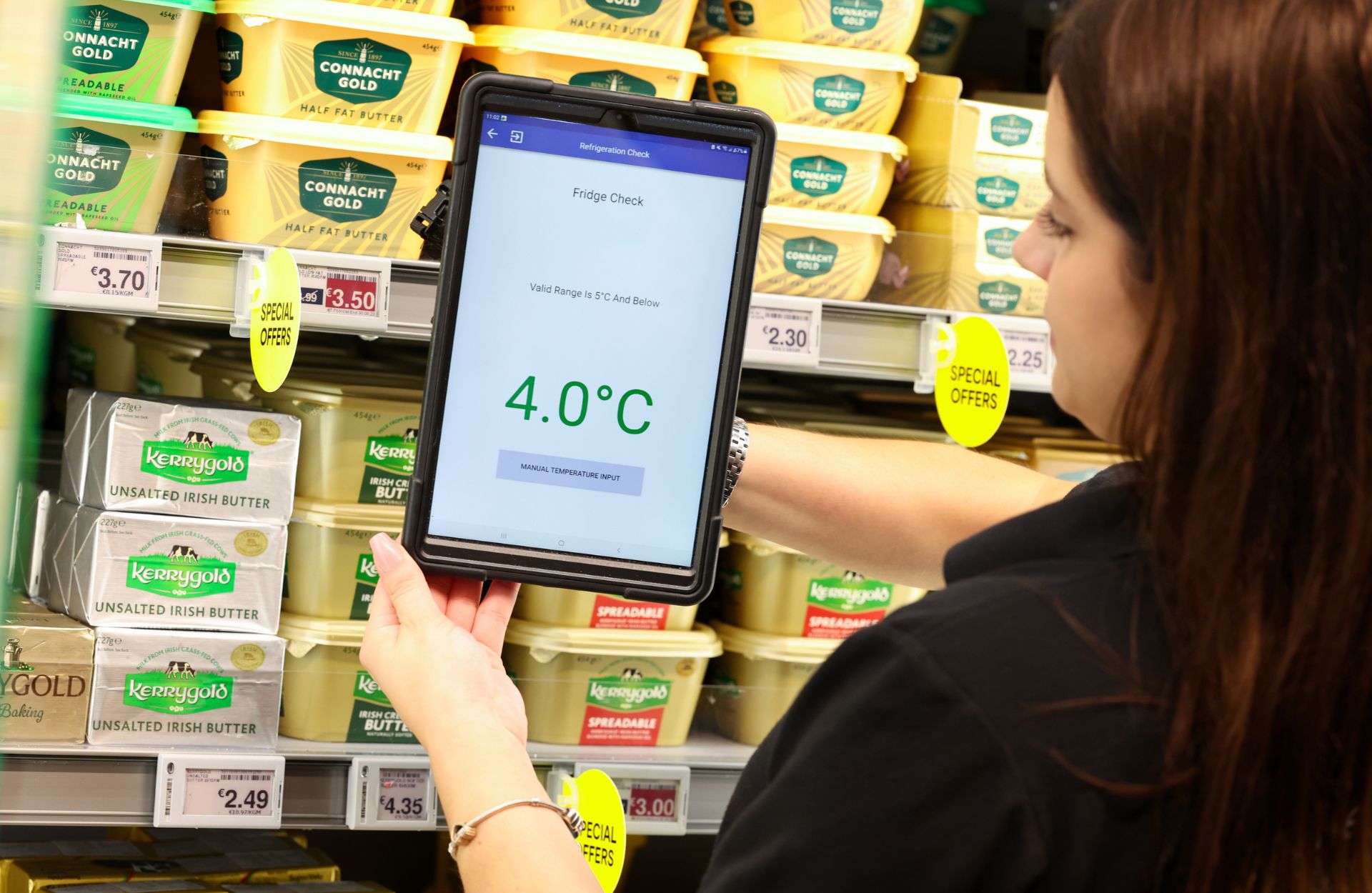
This is why many retailers are turning to automation to safeguard their operations. Automated wireless temperature monitoring and digital HACCP systems significantly reduce the strain on teams during the winter season. By replacing paper records and manual data collection, digital systems ensure that accurate information is always captured, always available, and always stored securely. Authorised staff can access data and reports from any web-enabled device, removing the need to depend on colleagues who may be off-site or unavailable, and eliminating unnecessary travel in dangerous weather conditions. Systems such as FoodCheck2.0 from Kelsius are designed to be intuitive and quick to learn, meaning permanent, part-time, and seasonal staff can all use them confidently with minimal training.
Winter weather can also cause sudden equipment failures with the onset of extreme cold and freezing temperatures. With FoodCheck2.0, automated alerts notify you immediately when readings fall outside safe limits, allowing fast intervention before stock is compromised.
As winter and the busy Christmas season approaches for food retailers, digital HACCP is essential to manage operations smoothly.
Contact Kelsius today to ensure your food safety processes are winter ready.
Welcome to The Deep Dive, where we explore the technologies transforming commercial kitchens from paperwork chaos to digital confidence.
In this episode, we unpack the revolution happening behind kitchen doors – the shift from stacks of paper logs to automated, verified compliance. We’re diving deep into Kelsius’s FoodCheckToGo, an automated digital HACCP system that’s changing how restaurants, hotels, hospitals, and retail food businesses manage food safety.
Discover how Bluetooth-enabled temperature probes, cloud-based documentation, and real-time alerts are eliminating pencil-whipping, saving 30+ hours per week, and turning audit anxiety into audit confidence. From preventing thousands in stock losses to impressing environmental health officers, this is the story of how technology is protecting both businesses and consumers – one verified temperature reading at a time.
Perfect for: Kitchen managers, food business owners, operations directors, compliance officers, and anyone interested in foodtech innovation.
Sunder Sandher is the Business Owner at the One Stop convenience store in Leamington Spa.
In his One Stop store, Sunder replaced manual temperature checks with the Kelsius system that provides a simple, reliable digital workflow that keeps Environmental Health Officer requirements on track.
WATCH – SUNDER SANDHER TALKS ABOUT
THE BENEFITS USING THE KELSIUS SYSTEM
Staff no longer worry about remembering to record every reading because probe temperatures from bake-off are captured instantly in the system, which the team loves. Weekly compliance reports are ready to share at inspection time and helped the business demonstrate top-tier hygiene standards with confidence.
Real-time alerts have also delivered practical wins. Watch as Sunder explains how, during a spell of exceptionally hot weather, the Kelsius system flagged a chiller running warm, prompting a quick fix that brought temperatures back within range and avoided the risk to stock. The result is time saved for staff, clear legal confidence on temperatures, and genuine peace of mind for the Sunder and staff.
A simple push notification could save lives. In this episode of The Alert Crisis, we explore how mobile push alerts have quietly replaced SMS and calls as the new gold standard in critical communications—from vaccine storage to global food chains.
Featuring deep insights into the failures of outdated systems and the rise of smarter, verifiable alerting powered by Kelsius, we unpack real-world disasters, compliance mandates like FDA 21 CFR Part 11 and HACCP, and cutting-edge integrations with AI, IoT, and even blockchain.
Explore the intersection of compliance, innovation, and safety across food and life science industries.
The Alert Crisis dives deep into how digital tools like push notifications, wireless sensors, and real-time monitoring are replacing outdated systems in foodservice, pharma, labs, and logistics. Hosted by Kelsius, Ireland’s leading digital HACCP and temperature monitoring provider, each episode brings expert insights, real-world stories, and actionable takeaways.
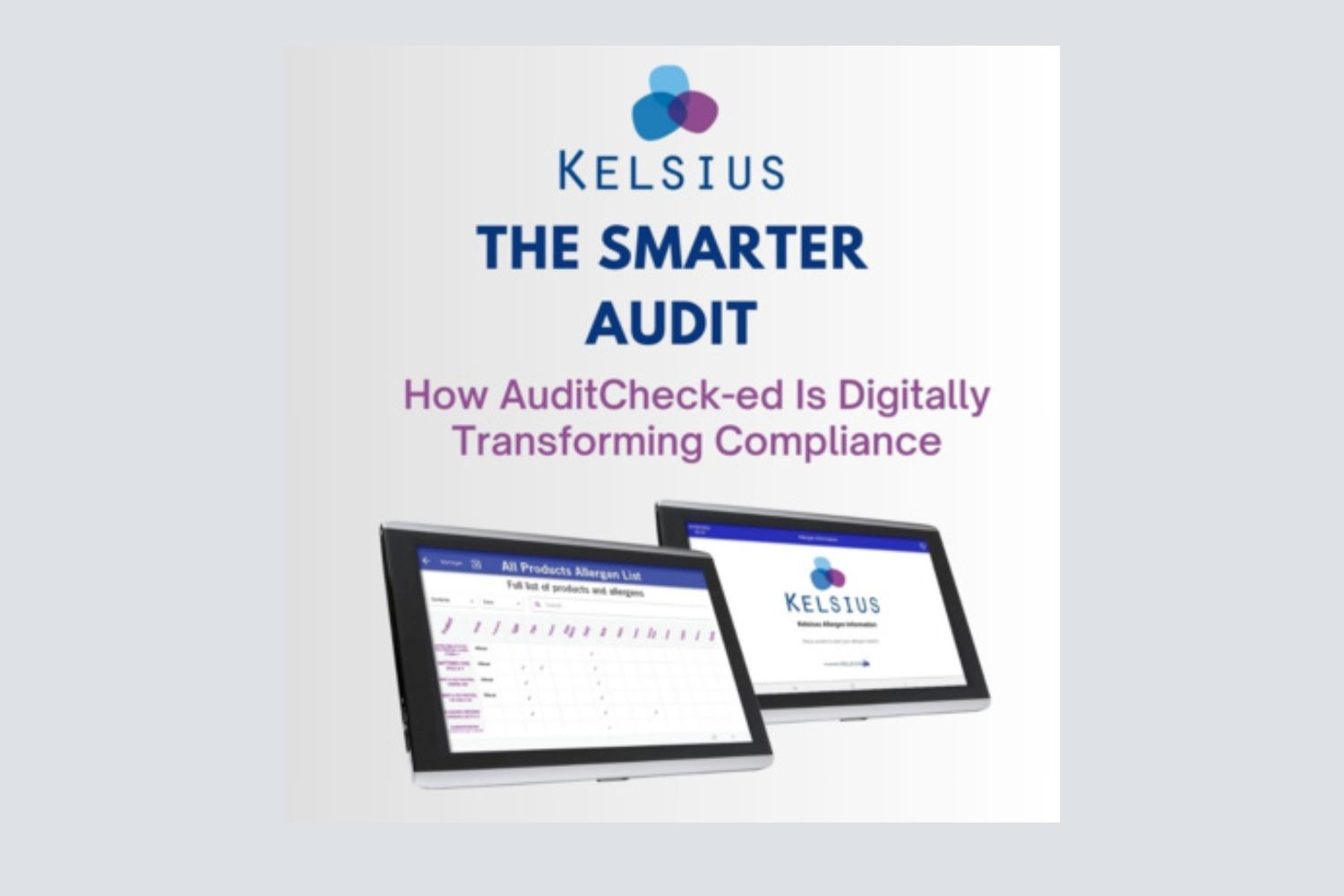
Welcome to The Smarter Audit—We’re exploring how food businesses across the UK and Ireland are embracing digital innovation to simplify compliance, enhance governance, and improve environmental performance.
This episode dives into the challenges of modern auditing and how Kelsius’ AuditCheck‑ed is helping managers and business owners take control with real-time data, paperless systems, and transparent reporting.
Whether you run a café, restaurant, hotel, or multi-site operation, discover how digital audits can protect your brand, boost customer satisfaction, and support your environmental, social and governance (ESG) goals.
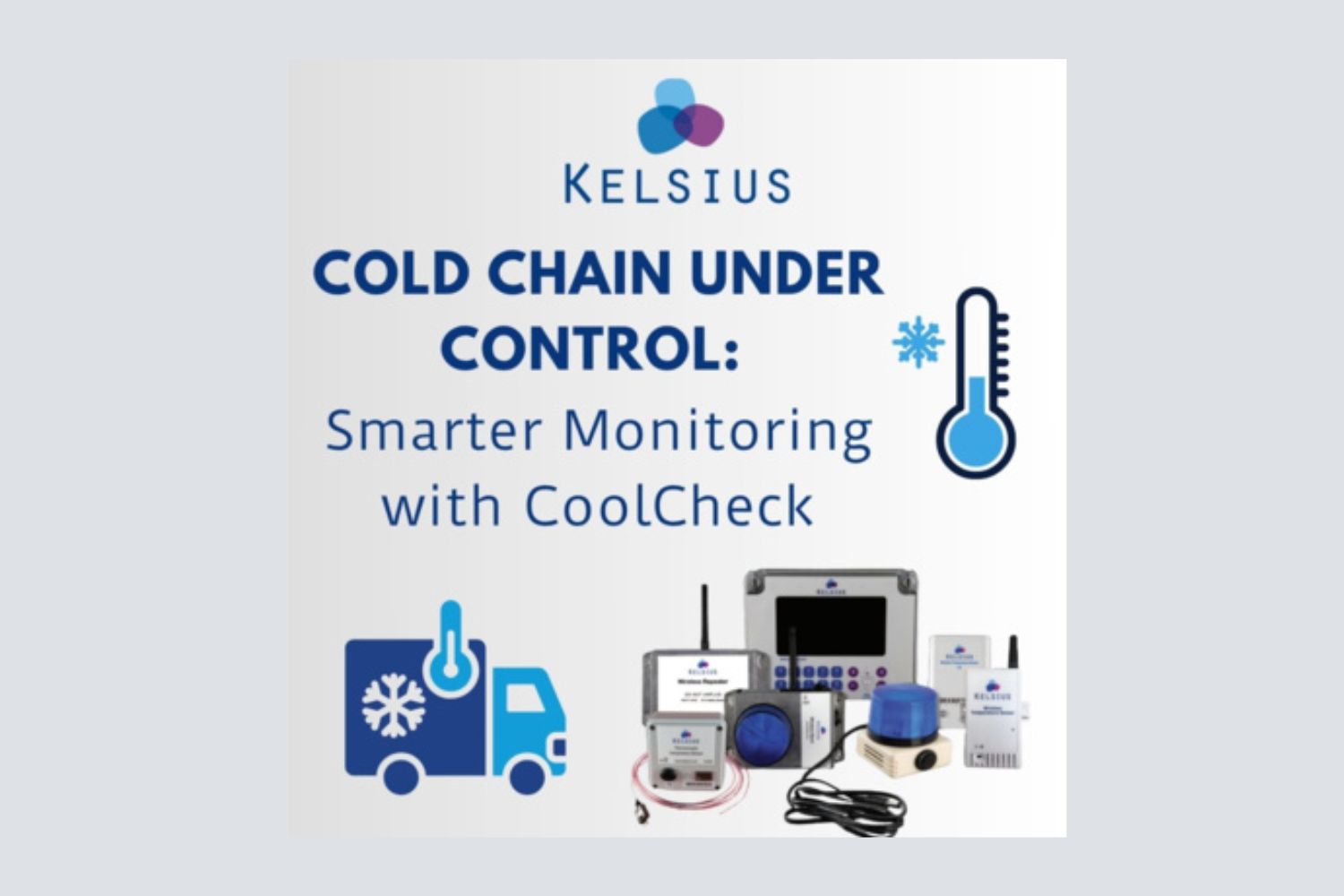
Cold Chain Under Control: Smarter Monitoring with CoolCheck
In this episode, we take a deep dive into CoolCheck – the wireless temperature monitoring system built for food manufacturers and wholesalers.
From cold chain traceability and automated alerts to audit-ready reporting, CoolCheck helps ensure food quality, reduce waste, and simplify compliance.
We explore how CoolCheck:
Closes gaps in cold chain monitoring
Automates tamperproof temperature logs
Sends 24/7 alerts via push, email, or voice
Supports ISO, FDA, and paperless reporting standards
Reduces operational costs and improves sustainability
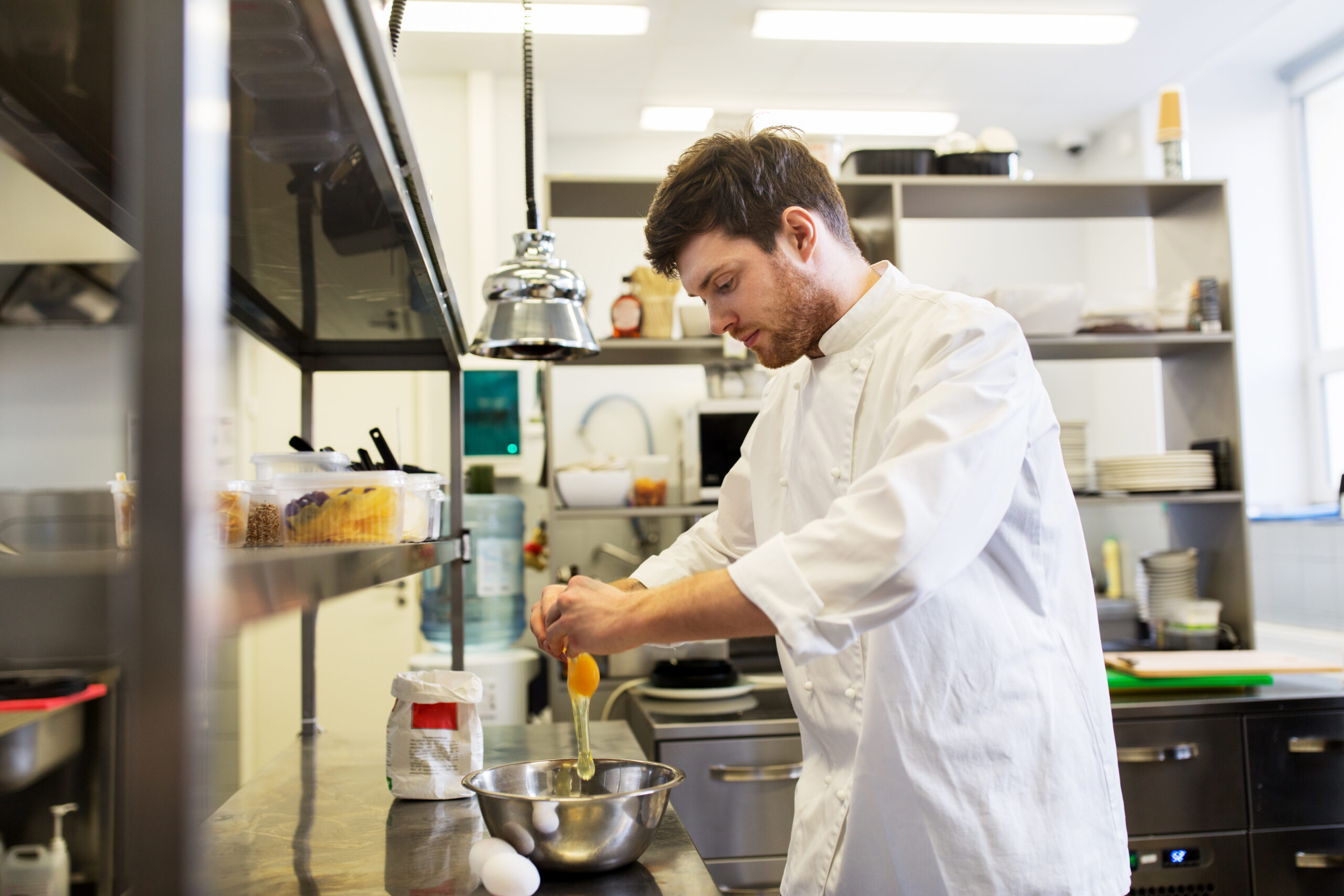
In the fast-paced world of hospitality, where guest experience reigns supreme and competition for talent is fierce, one key to long-term success is often overlooked: freeing your team from repetitive admin work. Tasks like manual food safety checks, temperature logging, equipment monitoring, best-before date tracking, and audit preparation are necessary, but they don’t inspire passion or creativity. When your chefs, supervisors, and front-of-house staff are bogged down with paperwork instead of doing what they love, morale drops and turnover rises.
To attract and retain the best talent, hospitality businesses must create environments where people can focus on what they do best: crafting delicious food, delivering outstanding service, and creating memorable experiences for guests. By automating routine tasks, you not only improve operational efficiency and compliance but also unlock the full potential of your team.
The Staffing Challenge in Hospitality
The hospitality industry has always faced high turnover rates. But in recent years, the situation has intensified. Talented chefs and hospitality professionals now have more career options than ever before. Many are seeking workplaces that value their skills, respect their time, and offer opportunities for growth.
The number one reason people leave their job? Feeling undervalued. And nothing communicates that more clearly than asking your top chef to spend half their day checking fridge temperatures or digging through filing cabinets to find HACCP reports for an upcoming inspection.
Why Admin Overload Is a Talent Killer
Here’s a closer look at the types of admin tasks draining your staff’s energy:
Manual food safety checks: Logging food temperatures and cleanliness records by hand is tedious and error prone.
Fridge and freezer temperature logging: Staff must pause service to physically check and record temperatures, often multiple times per day.
Equipment monitoring: Catching malfunctions only after they impact service can lead to stress and blame.
Best-before date checks: Physically inspecting every product daily eats up valuable prep time.
Audit and compliance reporting: Preparing paper reports takes hours, often during busy service times.
Searching through paper folders: Finding historical data for inspectors is frustrating and time-consuming.
These repetitive tasks not only reduce productivity but also lead to burnout and dissatisfaction, especially among skilled workers who want to focus on their craft. When this becomes the norm, your most talented team members start looking for better opportunities elsewhere.
Automating Admin: A Game-Changer for Staff Happiness
Hospitality tech has evolved to solve these very problems. Digital food safety and compliance systems can automate everything from temperature checks and equipment monitoring to reporting and alerting. These tools not only streamline operations but also empower your staff to focus on high-value, guest-facing work.
Let’s break down the benefits:
Boost Morale and Job Satisfaction
Removing mundane admin tasks gives chefs and front-line staff more time to do what they love: cooking, hosting, and delivering exceptional service. This increases job satisfaction and helps you build a team that’s not only skilled but also emotionally invested in your business.
Reduce Errors and Stress
Digital systems automatically log temperatures, flag equipment issues, and track expiry dates. This ensures nothing gets missed, even during the busiest times. Your staff can rest easier knowing that compliance is covered, and that they won’t be blamed for a missed check or expired product.
Make Audits Seamless
Instead of scrambling through paper records before an inspection, your team can access reports at the click of a button. Not only does this save time, but it also makes your operation look polished and professional, boosting confidence and pride among staff.
Attract the Next Generation of Talent
Younger professionals entering the hospitality industry expect tech-forward, efficient workplaces. They don’t want to waste time filling out forms. They want to learn, grow, and make an impact. Automating admin shows that your business is modern and respects their time and skill.
Enable Upskilling and Career Growth
Freeing time from manual tasks creates space for training and development. Your supervisors can mentor junior staff. Chefs can experiment with new menus. Front-of-house teams can hone their service skills. This kind of professional development is a major factor in staff retention.
The Real ROI: A Motivated, Loyal Team
Investing in automation might seem like a cost, but the return is clear:
Lower staff turnover
Higher team morale
Better guest experiences
Fewer compliance issues
Improved team productivity
Stronger employer reputation
In an industry where service is everything, your team is your greatest asset. Giving them the tools and freedom to excel is not just smart management, it’s smart business.
Make Technology Work for You
Let digital technologies help you to help your teams. Solutions such as FoodCheck2.0 from Kelsius provide all-in-one platforms that allow you to take the time and resources out of manual, time-consuming tasks that divert staff from the jobs that matter.
Kelsius’ digital HACCP and wireless temperature monitoring solution replaces manual processes with automated temperature alerts for storage equipment failure. It provides for effortless food safety checks before service and it generates automated reports for easy audits and inspections. A central portal accessible from any web-enabled device means that managers have remote visibility of food safety checks and processes at any site. This allows for quick decision making should issues arise in the short term, and a better understanding of business operations for longer term planning.
Final Thought
In hospitality, every moment counts. When your people spend those moments chasing down admin tasks, you lose more than time – you lose talent.
By automating repetitive processes like food safety checks, temperature logging, equipment monitoring, and audit prep, you create a workplace where staff can thrive. You send a clear message: We trust your skills. We value your time. We want you to succeed.
In return, your team will give you what every great hospitality business is built on: creativity, loyalty, and exceptional service.
In this episode, we explore how food retailers across the UK and Ireland are replacing paper-based processes with smart, digital solutions. Discover how Kelsius’ FoodCheck 2.0 system supports compliance, prevents food waste, and simplifies HACCP in fast-paced retail environments.
Learn how wireless temperature monitoring, automated alerts, and powerful reporting tools are helping supermarkets and convenience stores:
Eliminate paper logs
Improve operational efficiency
Respond faster to issues
Prepare seamlessly for audits
We also cover traceability features, staff task prompts, and how real-time data transforms decision-making at every level of retail operations.
In the latest episode of our podcast Monitoring Matters, we delve into how butchers can revolutionize their food safety protocols by transitioning from traditional paper-based systems to digital solutions.The focus is on Kelsius’ FoodCheck 2.0, a system designed to streamline operations, ensure compliance, and safeguard products.
The Shift from Paper to Digital
Traditional HACCP (Hazard Analysis and Critical Control Points) systems often rely on manual record-keeping, which can be time-consuming and prone to errors.FoodCheck 2.0 offers a digital alternative, providing butchers with a user-friendly platform to monitor and record critical food safety data in real-time.
Key Benefits of FoodCheck 2.0 for Butchers
Wireless Temperature Monitoring: Ensure that all storage units maintain optimal temperatures, reducing the risk of spoilage.
Automated Alerts: Receive instant notifications if temperatures deviate from set parameters, allowing for swift corrective actions.
Enhanced Traceability: Track products by batch code, supplier invoice, or specific tasks, facilitating efficient recalls and audits.
Time and Cost Savings: Automating routine checks frees up staff time, allowing them to focus on core tasks, and reduces the costs associated with manual record-keeping.
Real-World Impact
Implementing FoodCheck 2.0 has led to significant improvements for many butcher shops:
Reduced Stock Loss: Automated alerts help prevent losses due to equipment failures.
Improved Compliance: Digital records simplify the auditing process and ensure adherence to food safety regulations.
Operational Efficiency: Streamlined processes lead to better resource allocation and improved customer satisfaction.
Nisa retailers stand to save thousands annually as the group progresses with a new technology trial in partnership with Kelsius. The cutting-edge food safety management system is currently being tested in selected stores. Kelsius undertook a three-month trial with independent retailer Gary Batten across his two Nisa stores in Cornwall. During the pilot, Batten saved up two hours of staff time per day at his store in St Stephens Cornwall, amounting to £10,000 a year.
His other Nisa store, based in Pentewan, Cornwall, allowed him to optimise up to one hour of colleague labour a day, saving £9,000 in annual costs. The innovative digital solution offers automated temperature monitoring and HACCP compliance tools via wireless sensors and probes. Retailers can access real-time data and generate reports that streamline audits and compliance processes, while digital checklists support consistent completion of daily hygiene and safety routines.
Danielle Guy, UK food retail sales manager for Kelsius, emphasised the value the system delivers, particularly amid the ongoing challenges in the retail sector. “With rising costs and persistent labour shortages, retailers are under more pressure than ever to find efficiency gains,” she said. “The Kelsius system empowers teams to ensure food safety is managed efficiently and consistently, without the burden of manual checks.”
Initial feedback from Nisa retailers suggests strong interest in rolling out the technology more widely following the trial phase, citing time savings, enhanced traceability, and reduced risk of human error.
In May 2018 Co-op Wholesale completed its acquisition of Nisa Retail Limited. Working with the Co-op, Nisa Partners still have the freedom to operate independently. They have the flexibility, insight, and tailored support they need to thrive, backed by Co-op’s industry-leading own-brand range, supply chain expertise, and buying power.