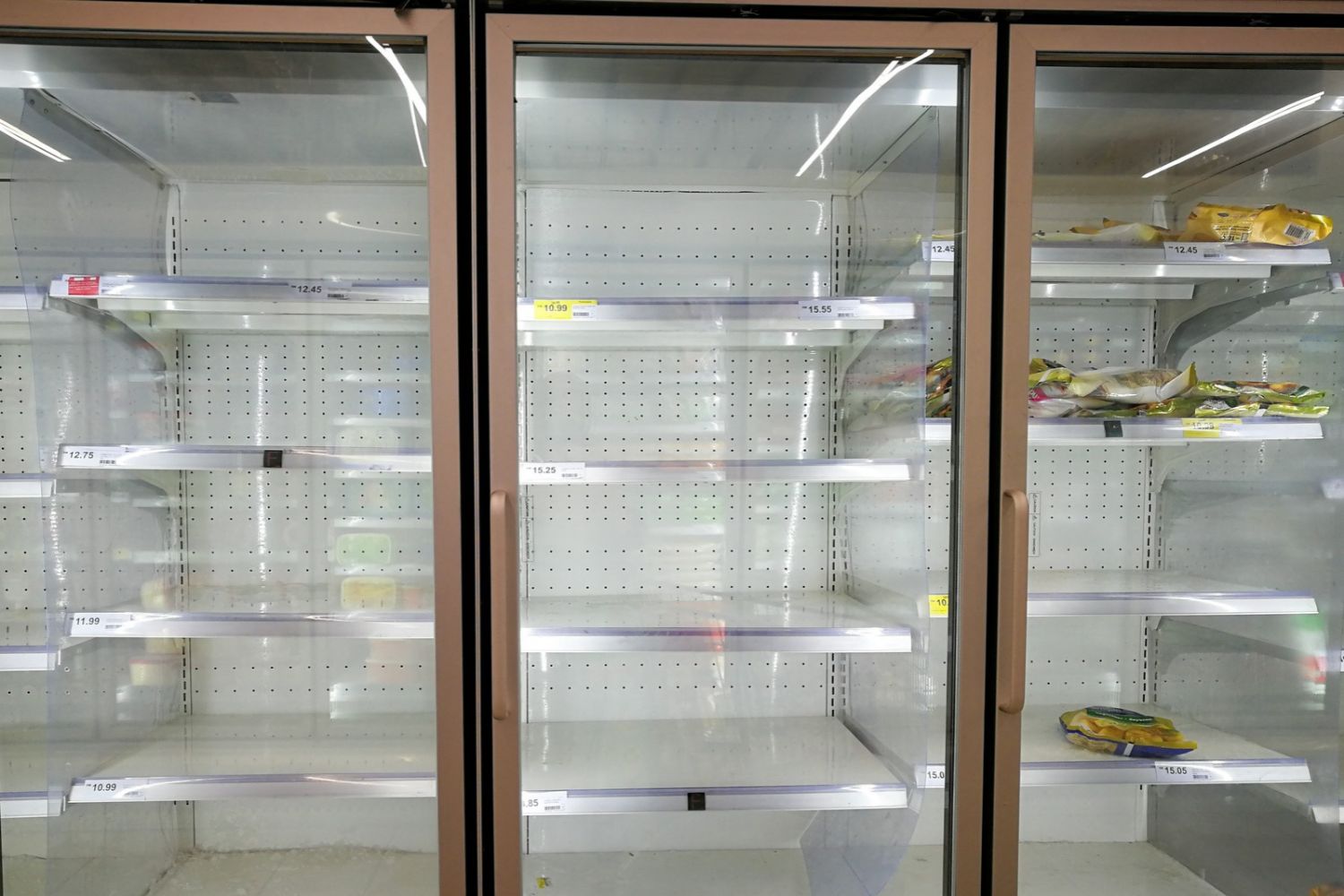

Modern refrigeration systems are designed to maintain safe storage temperatures. But if something goes wrong with the system itself, how quickly would your business know?
For supermarkets, food retailers, manufacturers and cold storage operators, maintaining the correct storage temperature is essential to food safety, product quality and business continuity.
Modern refrigeration systems often include built-in temperature sensors, controls and alarms. However, relying solely on these systems for both refrigeration control and temperature monitoring can create additional risks when equipment malfunctions or unexpected disruptions occur.
Independent temperature monitoring provides an additional layer of protection, helping businesses detect temperature excursions early, protect valuable stock and reduce food waste.
Refrigeration Control vs Independent Temperature Monitoring
Refrigeration controllers are designed to regulate cooling equipment, managing compressors, fans and defrost cycles to maintain the required temperature.
Independent temperature monitoring serves a different purpose. Using separate wireless sensors, an independent monitoring system measures and records storage temperatures without controlling the refrigeration equipment itself. When temperatures move outside predefined limits, automated alerts can notify designated personnel.
This distinction is important. If a refrigeration controller develops a fault, an independently operating monitoring system can provide an additional source of temperature information, helping businesses identify potential problems before they escalate.
The Importance of Independent Monitoring
Refrigeration failures can happen at any time, often without immediate warning. A malfunctioning component, power interruption, incorrect temperature setting or technical disruption can cause storage temperatures to rise unnoticed.
If temperature monitoring and refrigeration controls depend on the same system, a fault affecting shared components could also affect the ability to detect or report a problem.
Independent wireless temperature monitoring helps reduce this reliance by providing a separate means of measuring storage conditions. For food businesses, this offers several important benefits:
- Early detection: Automated alerts notify designated staff when temperatures exceed configured limits, including outside normal operating hours.
- Reduced food waste: Earlier warnings allow teams to investigate issues and take action to help protect chilled and frozen stock.
- Greater visibility: Access current and historical temperature records across multiple storage areas or locations.
- Improved food safety: Accurate digital records support HACCP procedures, audits and inspections.
- Operational resilience: An additional monitoring system can help reduce dependence on refrigeration controls as the sole source of temperature information.
Independent monitoring cannot prevent refrigeration failures or cyberattacks. However, it can improve the ability to identify temperature changes and respond quickly.
As refrigeration systems become increasingly connected, businesses should consider whether their existing monitoring arrangements provide sufficient protection when something goes wrong. Understanding how monitoring sensors, power supplies, networks and alert systems operate together can help identify potential gaps in cold chain protection.
For food businesses managing valuable stock, the ability to detect a temperature excursion early can make a significant difference to the outcome.
Protect Your Stock. Strengthen Your Food Safety.
Effective cold chain management requires more than maintaining the correct temperature. It requires reliable monitoring, timely alerts and the ability to respond when storage conditions change.
Independent temperature monitoring adds another layer of visibility and protection, helping businesses safeguard food stock, reduce waste and maintain confidence in their food safety processes.