
Maintaining vaccine efficacy depends on storing vaccines within strict temperature ranges. For healthcare providers managing multiple locations, gaining timely access to temperature data can be critical in preventing wastage and supporting informed decision-making.
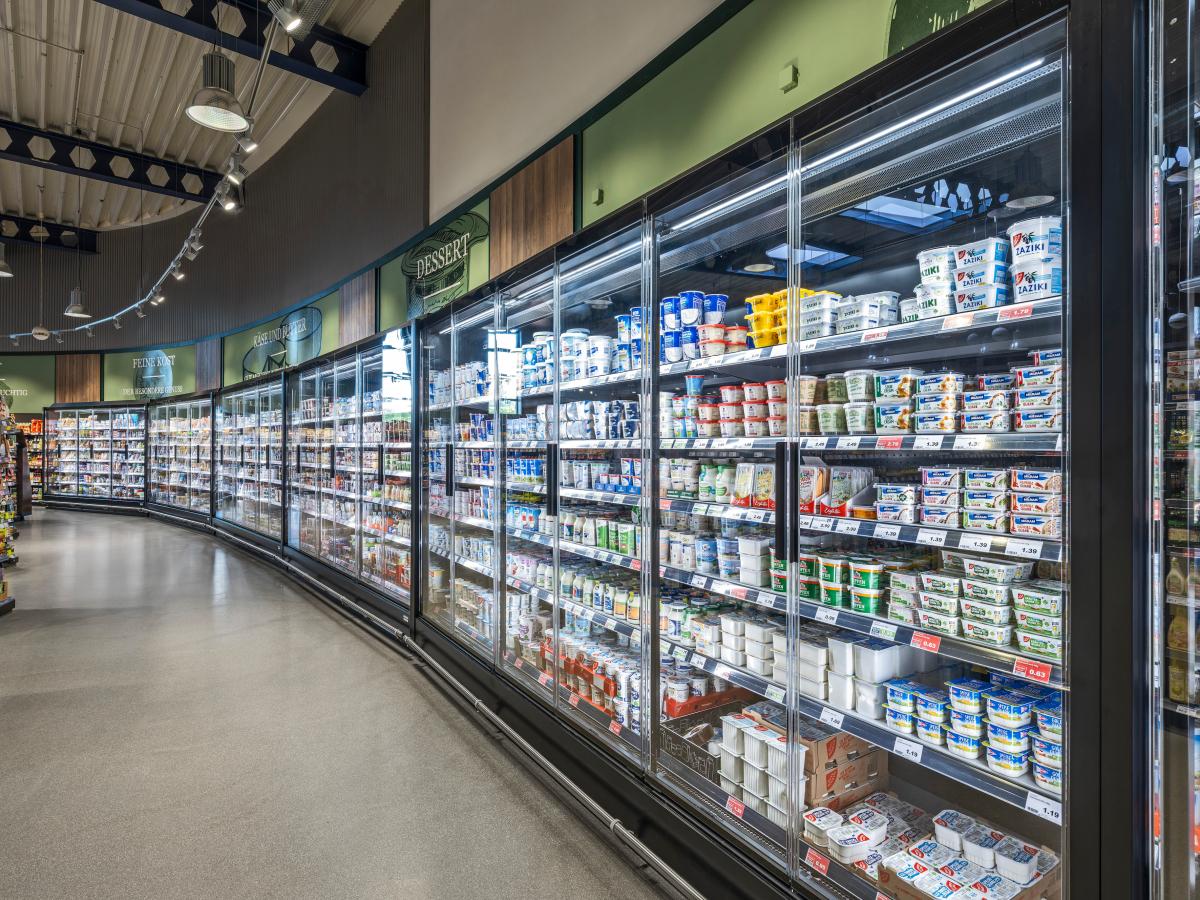
NHS Greater Glasgow and Clyde (NHS GGC) evaluated the benefits of introducing remote electronic temperature monitoring across its adult vaccination clinics. NHS GGC delivers adult vaccination campaigns from 18 permanent clinic venues, with vaccines stored in 53 fridges and more than 429,000 adult vaccines administered during 2025.

Before implementing Kelsius, continuous fridge temperatures were recorded using off-line devices, requiring staff to travel to clinics and manually retrieve data. By assessing the impact of remote, real-time monitoring, NHS GGC identified significant operational and environmental benefits.
The findings showed that remote monitoring provides immediate access to temperature data, enabling faster, evidence-based decisions when temperature excursions occur. It also has the potential to reduce vaccine quarantine times, minimise unnecessary vaccine wastage, and eliminate the need for staff travel to clinics.
The evaluation concluded that remote monitoring would have saved 282 miles of travel and reduced CO₂ emissions by 70kg, while improving staff efficiency and allowing Pharmacy Public Health personnel to focus on more advanced roles. Following the assessment, NHS GGC successfully deployed the Kelsius system across its adult vaccination sites.
To book your free Kelsius demo, contact Kelsius.