Beyond Compliance: Why Automated Temperature Monitoring Is Critical for Transporting Food and Healthcare Products

In today’s global supply chains, moving temperature-sensitive products – from fresh produce to medicines – is both a logistical necessity and a growing challenge. With rising demand for perishable food products, increased healthcare transportation requirements, and stricter regulatory standards, precise temperature control must be maintained throughout transportation. Failure to do so carries not just financial risk but also public health consequences. 

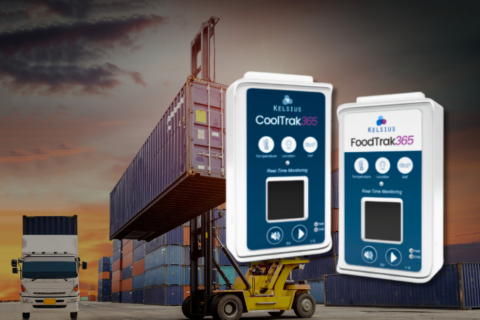
The recent launch by Kelsius of FoodTrak365 and CoolTrak365 underscores a fundamental shift: businesses must adopt automated, real-time temperature monitoring solutions to protect products, ensure compliance, and minimise waste. 

This article explores why automating temperature monitoring in transit matters more than ever. We look at economic losses from temperature excursions, examples of cold chain failures caused by manual error or unexpected events, and the scale of temperature-controlled transport markets that depend on real-time visibility. 


The Scale of Temperature-Sensitive Transport 

Temperature-controlled logistics, often referred to as the cold chain, is a significant and rapidly expanding segment of global supply chains. 

The global cold chain logistics market was valued at around USD393.2 billion in 2025 and is forecast to grow to approximately USD1,632.6 billion by 2035, expanding more than fourfold in just a decade. This growth reflects rising consumer demand for fresh food year-round and the expanding distribution of temperature-sensitive pharmaceuticals and biological products. Transportation services alone are expected to account for nearly 45% of cold chain logistics demand by 2025.1 

More locally, the UK and Europe are experiencing similar trends: up to 30% of all food produced in Europe requires cold chain logistics due to perishability and quality standards.2  

In short, billions of dollars’ worth of goods are in motion every day that require tight temperature controls, and transportation is the most vulnerable segment of that journey. 


How Much Product Is Lost Without Reliable Temperature Control? 

The cost of temperature excursions is already affecting businesses on a massive scale. 

A key finding from international health authorities is that up to 50% of vaccines are wasted globally each year because of inadequate temperature control, logistics, and shipment issues.3 This staggering loss represents billions in product value, compromised public health outcomes, and wasted human effort. 

Across broader cold chains, it is estimated that temperature-control failures contribute to roughly 526 million tonnes of food lost annually, equivalent to nearly 13% of all food produced worldwide. When accounting for disposal, logistics, compliance breaches, and opportunity costs, this loss is estimated at a value approaching USD1 trillion every year.4 

In the pharmaceutical sector, cold chain failures can affect the journey at any stage, with the most common issues arising due to temperature fluctuations, exposure to extreme environmental conditions, delayed transport, and handling errors. It is estimated that 12% of pharmaceutical shipments experience temperature excursions.5 Even minor excursions of just a few degrees can degrade products such as monoclonal antibodies, insulin, and mRNA-based vaccines, rendering them unsafe or ineffective.  

These figures show that temperature instability is one of the most wasteful weaknesses in current logistics systems. 


Real-World Costs of Manual Error and Oversights 

Cold chain systems are complex, involving multiple handovers, storage environments, and shifting external conditions. Each transition point – loading docks, vehicle transfers, unloading at destination – introduces risk. 

Human error alone is a frequent contributor to cold chain failures. A study by the Georgia Institute of Technology estimated that up to 90% of such failures resulted from human error.6  

Lapses such as these and related issues lead to costly spoilage events: 

  • The pharmaceutical industry loses approximately USD35 billion in products per year because of failures in temperature-controlled logistics – the vast majority of which are preventable.7 
  • In food logistics, breaks in the cold chain – from simple temperature fluctuations to prolonged exposure outside optimal ranges – are a major contributor to global food loss and waste, particularly for perishable goods such as dairy, meat, fruits and vegetables.8  
  • Weather-related transit delays, refrigeration unit failures, or oversight during customs processing have also been directly linked to cold chain breaches that resulted in waste and regulatory non-compliance.5  

Across industries, these incidents demonstrate that temperature checks and retrospective documentation can record damage that occurs but not prevent it.  


Why Automation and Real-Time Monitoring Matters 

Automated temperature monitoring transforms logistics from reactive to proactive. Instead of waiting for inspections or manual log entries at checkpoints, connected sensors offer continuous, real-time data throughout the transport lifecycle. 

This capability has several crucial benefits: 

  • Immediate Alerts: Automated systems notify logistics teams instantly when temperatures deviate, allowing corrective action before products are compromised. 
  • Audit Trail for Compliance: Digital records provide tamper-proof documentation for regulators and quality auditors in food safety (HACCP) and healthcare (GDP) environments. 
  • Reduced Human Error: By removing manual logging, automated systems reduce the risk of inaccurate entries, missed checks, or unreported excursions. 
  • Enhanced Visibility: Integrated dashboards often allow end-to-end tracking, giving stakeholders visibility into every stage of the supply chain. 
  • Predictive Insights: Over time, data from temperature monitoring can reveal patterns, enabling companies to refine routes, optimise refrigeration, and prevent recurring issues. 


Automated Monitoring in Practice: Food and Healthcare Logistics 

In food logistics, products like fresh produce, dairy, and prepared meals are highly sensitive to temperature swings. Even brief excursions can accelerate spoilage, deteriorate quality, and promote bacterial growth. Automated tracking helps ensure these goods remain in specified temperature ranges until they reach retail shelves or restaurant kitchens. 

In medical logistics, vaccines and biological products often require ultra-precise temperature ranges – some as low as -70°C for mRNA vaccines – to maintain efficacy. Vaccines are particularly delicate biological substances that will have reduced or lost efficacy if they are frozen, if stored above +8°C, or if exposed to direct sunlight or ultraviolet light (UV).9 

Across both sectors, the margin for error is shrinking as products become more specialised and regulations more stringent. 


Temperature Monitoring that meets consumers’ demands and regulators’ standards  

The sheer volume and value of temperature-controlled goods in global transport illustrate a critical truth: maintaining temperature integrity in transit is central to modern supply chains. With up to half of all vaccines wasted, hundreds of millions of tonnes of food lost, and billions of dollars in global economic impact, the risks of cold chain failure are too high to ignore. 

Automated temperature monitoring solutions like FoodTrak365 and CoolTrak365 are not just technological upgrades, they are strategic necessities for businesses that handle temperature-sensitive products. By delivering real-time visibility, reducing risk, and strengthening compliance, these systems directly address the root causes of product loss and supply chain inefficiency. 

In a world where supply chains are complex, consumers demand quality and regulators expect accountability, automation is the best defence against waste, loss, and reputational risk in temperature-sensitive transport. 


Sources 

  1. Fact MR‘Food Cold Chain Logistics Market Forecast and Outlook 2025 to 2035’, https://www.factmr.com/report/food-cold-chain-logistics-market 
  2. Market Data Forecast, ‘Europe Refrigerated Transport Marketing, June 2025’, https://www.marketdataforecast.com/market-reports/europe-refrigerated-transport-market 
  3. World Health Organization, ‘Monitoring Vaccine Wastage at Country Level – Guidelines for Programme Managers’, https://iris.who.int/server/api/core/bitstreams/bf88e08d-273b-48df-93b7-a1d7cb9ac02a/content  
  4. Sustainable Energy for All, ‘Cooling for Food, Nutrition and Agriculture’, https://titancontainers.ie/news/the-true-cost-of-cold-storage-failures  
  5. Cargo Forwarder Global, ‘What Happens When the Cold Chain Breaks?’, https://cargoforwarder.eu/2025/11/23/what-happens-when-the-cold-chain-breaks/  
  6. BioPharma International, ‘Challenges in Managing the Cold Chain’, https://www.biopharminternational.com/view/challenges-managing-cold-chain-0  
  7. SupplyChainBrain, ‘Pharma Supply Chain Failure is a $35 Billion Problem’, https://www.supplychainbrain.com/blogs/1-think-tank/post/35071-the-35-billion-challenge-using-supply-chain-intelligence-to-improve-pharma-operations  
  8. UNEP and FAO. 2022, ‘Sustainable Food Cold Chains: Opportunities, Challenges and the Way Forward’. Nairobi, UNEP and Rome, FAO. https://doi.org/10.4060/cc0923en  
  9. Health Service Executive, ‘HSE Guidelines for Maintaining the Vaccine Cold-Chain in Vaccine Cool Boxes’, https://www.hse.ie/eng/health/immunisation/hcpinfo/vaccineordering/sopnio02box.pdf  

Kelsius Unveils Two Ground-Breaking Cold Chain Monitoring Solutions for Food and Healthcare: FoodTrak365 and CoolTrak365

Kelsius, a global leader in automated, digital temperature monitoring and cold chain traceability, has announced the launch of two innovative products designed to revolutionise how businesses monitor temperature-sensitive goods while in transit:
FoodTrak365 and CoolTrak365.  

The new, innovative products deliver real-time, end-to-end visibility of temperature and geolocation for goods on the move, helping food and healthcare businesses to protect quality, ensure compliance, reduce waste, and enhance operational efficiency around the clock.  

With increasing demands on supply chain integrity across industries where temperature control is essential for product quality but also legally mandated, Kelsius’s latest solutions meet a critical need for in-transit monitoring. Both solutions build on Kelsius’s established cold chain expertise and cloud-based technologies, bringing businesses unprecedented monitoring precision at every stage of production and supply.  


FoodTrak365: Protecting Freshness for Food Supply Chains 

FoodTrak365 provides food businesses with a powerful digital platform to continuously monitor the temperatures of food products as they move from origin to destination. It replaces outdated, manual logging procedures with a fully automated, paperless solution that gives stakeholders real-time alerts and complete oversight of environmental conditions en route. 

Key features of FoodTrak365 include: 

  • Real-Time Temperature and Alert Notifications: Continuous monitoring with immediate alerts when temperature thresholds are exceeded, allowing corrective action before product quality is compromised. 
  • GPS Shipment Tracking: Integrated geolocation provides visibility of shipment location and environmental status simultaneously, boosting logistical efficiency and supply chain reliability.  
  • Highest Accuracy Monitoring: Industry-leading precision ensures dependable readings that safeguard freshness and compliance at every stage of transit. 
  • Detailed Reporting Suite: Automatically generated digital reports facilitate compliance, quality assurance, and data-driven decision making with minimal human effort. 
  • AI-Driven True Temperature Algorithms: Advanced simulation technology ensures accurate temperature reporting regardless of ambient fluctuations.  

FoodTrak365 helps food businesses to drastically reduce product rejections and spoilage and helps them to uphold their OTIF (on-time, in-full) delivery commitments. At the same time, they are reducing food waste and the environmental impact across the cold chain.  

CoolTrak365: End-to-End Cold Chain Assurance for Healthcare 

Designed specifically for the unique needs of healthcare logistics, CoolTrak365 supports comprehensive temperature oversight of medicines, vaccines, and other time- and temperature-sensitive medical products while in transit. From manufacturing facilities to clinical destinations, this unique solution provides continuous visibility, robust regulatory reporting, and unmatched confidence for healthcare providers and pharmaceutical distributors. 

Standout aspects of CoolTrak365 include: 

  • Real-Time Excursion Alerts & Monitoring: Ensures temperature deviations are detected instantly, empowering staff to act swiftly to protect product safety.  
  • Regulatory Compliance: Aligns with GxP standards and complies with stringent HPRA, MHRA and industry expectations for traceability and audit readiness.  
  • High-Accuracy GPS and Temperature Tracking: Monitors location and temperature of medical products with precision, enabling strategic logistics planning and supply chain transparency.  
  • Automated Upload and Reporting: Eliminates manual record-keeping errors and accelerates operational workflows with automated data uploads.  
  • Customisable Dashboards: User-friendly interfaces tailored to business requirements provide clear insights into temperature trends and risk profiles.  

CoolTrak365’s integrated data automation helps healthcare organisations to mitigate risk, streamline audits, and protect valuable products from compromise, loss, or regulatory non-compliance. 


Setting New Standards in Cold Chain Management 

Both FoodTrak365 and CoolTrak365 underscore Kelsius’s commitment to innovation in cold chain monitoring, removing reliance on manual recording while providing powerful digital tools for proactive temperature control. By harnessing real-time data, advanced alert systems, and cloud-based analytics, businesses can safeguard product integrity, support brand trust, and unlock operational efficiencies not possible with traditional monitoring methods.  

Commenting on the launch, Kelsius Chief Commercial Officer Mario Kelly said, “We are delighted to introduce FoodTrak365 and CoolTrak365 as part of the Kelsius mission to provide unmatched cold chain insight and control. These solutions reflect our deep understanding of the challenges in food safety and healthcare product transport, and our commitment is to deliver systems that drive confidence, compliance and sustainability in cold chain operations.” 

To learn more and request a free demonstration, visit www.kelsius.com or contact Kelsius:  

Tel. UK 02045 799 048, Ireland 074 916 2982
Email: sales@kelsius.com 


Free Your Staff to Shine: How Automating Admin Tasks Attracts and Retains Top Hospitality Talent

In the fast-paced world of hospitality, where guest experience reigns supreme and competition for talent is fierce, one key to long-term success is often overlooked: freeing your team from repetitive admin work. Tasks like manual food safety checks, temperature logging, equipment monitoring, best-before date tracking, and audit preparation are necessary, but they don’t inspire passion or creativity. When your chefs, supervisors, and front-of-house staff are bogged down with paperwork instead of doing what they love, morale drops and turnover rises.

To attract and retain the best talent, hospitality businesses must create environments where people can focus on what they do best: crafting delicious food, delivering outstanding service, and creating memorable experiences for guests. By automating routine tasks, you not only improve operational efficiency and compliance but also unlock the full potential of your team.

The Staffing Challenge in Hospitality

The hospitality industry has always faced high turnover rates. But in recent years, the situation has intensified. Talented chefs and hospitality professionals now have more career options than ever before. Many are seeking workplaces that value their skills, respect their time, and offer opportunities for growth.

The number one reason people leave their job? Feeling undervalued. And nothing communicates that more clearly than asking your top chef to spend half their day checking fridge temperatures or digging through filing cabinets to find HACCP reports for an upcoming inspection.

Why Admin Overload Is a Talent Killer

Here’s a closer look at the types of admin tasks draining your staff’s energy:

  • Manual food safety checks: Logging food temperatures and cleanliness records by hand is tedious and error prone.
  • Fridge and freezer temperature logging: Staff must pause service to physically check and record temperatures, often multiple times per day.
  • Equipment monitoring: Catching malfunctions only after they impact service can lead to stress and blame.
  • Best-before date checks: Physically inspecting every product daily eats up valuable prep time.
  • Audit and compliance reporting: Preparing paper reports takes hours, often during busy service times.
  • Searching through paper folders: Finding historical data for inspectors is frustrating and time-consuming.

These repetitive tasks not only reduce productivity but also lead to burnout and dissatisfaction, especially among skilled workers who want to focus on their craft. When this becomes the norm, your most talented team members start looking for better opportunities elsewhere.

Automating Admin: A Game-Changer for Staff Happiness

Hospitality tech has evolved to solve these very problems. Digital food safety and compliance systems can automate everything from temperature checks and equipment monitoring to reporting and alerting. These tools not only streamline operations but also empower your staff to focus on high-value, guest-facing work.

Let’s break down the benefits:

  1. Boost Morale and Job Satisfaction

Removing mundane admin tasks gives chefs and front-line staff more time to do what they love: cooking, hosting, and delivering exceptional service. This increases job satisfaction and helps you build a team that’s not only skilled but also emotionally invested in your business.

  1. Reduce Errors and Stress

Digital systems automatically log temperatures, flag equipment issues, and track expiry dates. This ensures nothing gets missed, even during the busiest times. Your staff can rest easier knowing that compliance is covered, and that they won’t be blamed for a missed check or expired product.

  1. Make Audits Seamless

Instead of scrambling through paper records before an inspection, your team can access reports at the click of a button. Not only does this save time, but it also makes your operation look polished and professional, boosting confidence and pride among staff.

  1. Attract the Next Generation of Talent

Younger professionals entering the hospitality industry expect tech-forward, efficient workplaces. They don’t want to waste time filling out forms. They want to learn, grow, and make an impact. Automating admin shows that your business is modern and respects their time and skill.

  1. Enable Upskilling and Career Growth

Freeing time from manual tasks creates space for training and development. Your supervisors can mentor junior staff. Chefs can experiment with new menus. Front-of-house teams can hone their service skills. This kind of professional development is a major factor in staff retention.

The Real ROI: A Motivated, Loyal Team

Investing in automation might seem like a cost, but the return is clear:

  • Lower staff turnover
  • Higher team morale
  • Better guest experiences
  • Fewer compliance issues
  • Improved team productivity
  • Stronger employer reputation

In an industry where service is everything, your team is your greatest asset. Giving them the tools and freedom to excel is not just smart management, it’s smart business.

Make Technology Work for You

Let digital technologies help you to help your teams. Solutions such as FoodCheck2.0 from Kelsius provide all-in-one platforms that allow you to take the time and resources out of manual, time-consuming tasks that divert staff from the jobs that matter.

Kelsius’ digital HACCP and wireless temperature monitoring solution replaces manual processes with automated temperature alerts for storage equipment failure. It provides for effortless food safety checks before service and it generates automated reports for easy audits and inspections. A central portal accessible from any web-enabled device means that managers have remote visibility of food safety checks and processes at any site. This allows for quick decision making should issues arise in the short term, and a better understanding of business operations for longer term planning.

Final Thought

In hospitality, every moment counts. When your people spend those moments chasing down admin tasks, you lose more than time – you lose talent.

By automating repetitive processes like food safety checks, temperature logging, equipment monitoring, and audit prep, you create a workplace where staff can thrive. You send a clear message: We trust your skills. We value your time. We want you to succeed.

In return, your team will give you what every great hospitality business is built on: creativity, loyalty, and exceptional service.


LEARN_mORE_BUTTON


Nisa stores to save up to £10k a year with Kelsius food safety management tech

Nisa retailers stand to save thousands annually as the group progresses with a new technology trial in partnership with Kelsius. The cutting-edge food safety management system is currently being tested in selected stores. Kelsius undertook a three-month trial with independent retailer Gary Batten across his two Nisa stores in Cornwall. During the pilot, Batten saved up two hours of staff time per day at his store in St Stephens Cornwall, amounting to £10,000 a year.

His other Nisa store, based in Pentewan, Cornwall, allowed him to optimise up to one hour of colleague labour a day, saving £9,000 in annual costs. The innovative digital solution offers automated temperature monitoring and HACCP compliance tools via wireless sensors and probes. Retailers can access real-time data and generate reports that streamline audits and compliance processes, while digital checklists support consistent completion of daily hygiene and safety routines.

Danielle Guy, UK food retail sales manager for Kelsius, emphasised the value the system delivers, particularly amid the ongoing challenges in the retail sector. “With rising costs and persistent labour shortages, retailers are under more pressure than ever to find efficiency gains,” she said. “The Kelsius system empowers teams to ensure food safety is managed efficiently and consistently, without the burden of manual checks.”

Initial feedback from Nisa retailers suggests strong interest in rolling out the technology more widely following the trial phase, citing time savings, enhanced traceability, and reduced risk of human error.

In May 2018 Co-op Wholesale completed its acquisition of Nisa Retail Limited. Working with the Co-op, Nisa Partners still have the freedom to operate independently. They have the flexibility, insight, and tailored support they need to thrive, backed by Co-op’s industry-leading own-brand range, supply chain expertise, and buying power.


Read The Grocer article covering this story here.