
With Kelsius, Conference Aston & Wilson Vale transform food safety culture and go fully digital

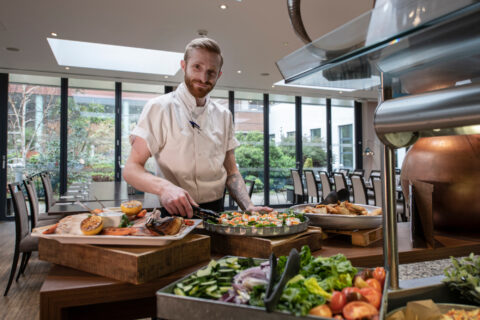
Conference Aston is Birmingham’s only residential conference centre, located on the Aston University campus. The venue operates a single kitchen serving hotel guests, delegates and private events. With a focus on delivering high-quality, safe catering experiences, Conference Aston combines hospitality excellence with modern operational management.

Managing food safety across a large hospitality venue with a single kitchen was becoming increasingly complex. Conference Aston relied on paper-based HACCP records, which could be time-consuming, inconsistent and prone to human error or falsification. Chefs used to spend hours photocopying and filing paperwork.

Audits could be slow with record-keeping traceability time-consuming to trace when issues arose. The leadership recognised the need for a modern, digital solution to standardise checks, ensure accuracy, and provide instant access to compliance data across all catering operations.

With the introduction of FoodCheck 2.0 from Kelsius, the Executive Head Chef has been able to tailor the system’s tasks and workflows to match existing operations, adding checks for deliveries, cleaning, and equipment monitoring. The platform’s flexibility allows new tasks, users and schedules to be added instantly, ensuring the system always reflects current operational needs.

Conference Aston and Wilson Vale have transformed their food safety culture by moving from paper to a fully digital, automated process. The team now saves five hours each week, operates more sustainably, and has complete confidence in compliance and traceability. The Kelsius FoodCheck 2.0 system has become integral to daily operations, helping Conference Aston deliver the highest standards of food safety, quality and guest assurance.


Winter Food Safety Challenges for Food Retail – A Perfect Storm of Risks for Food & Food Safety in Store

Winter is one of the most important and most demanding periods of the year for food retailers. The busy run-up to Christmas brings increased footfall, higher stock turnover, and pressure on teams to deliver consistently high standards. Yet as soon as the festive rush ends, many retailers face a sharp slowdown as customers return to work and take stock of their holiday spending. This seasonal fluctuation alone can place strain on operations, but the real challenge lies in protecting food safety throughout this exceptionally busy and unpredictable period.

Winter often brings a unique combination of complications. A perfect storm of actual storms, freezing temperatures, staff taking extended leave, and the need to hire and train seasonal workers all contribute to a higher likelihood of disruption. Normal routines can be interrupted, roles may need to be covered at short notice, and managers often find themselves stretched thin across multiple tasks and sometimes multiple sites. These pressures create an environment where manual food safety processes quickly become vulnerable.

Manual HACCP systems depend heavily on the availability and consistency of trained staff. When team members cannot reach the store due to extreme weather, when experienced staff take extended holidays, or when seasonal workers are still learning the ropes, essential checks may be delayed or missed altogether. At the busiest time of year, this leaves food at risk and increases the burden on management to maintain oversight.

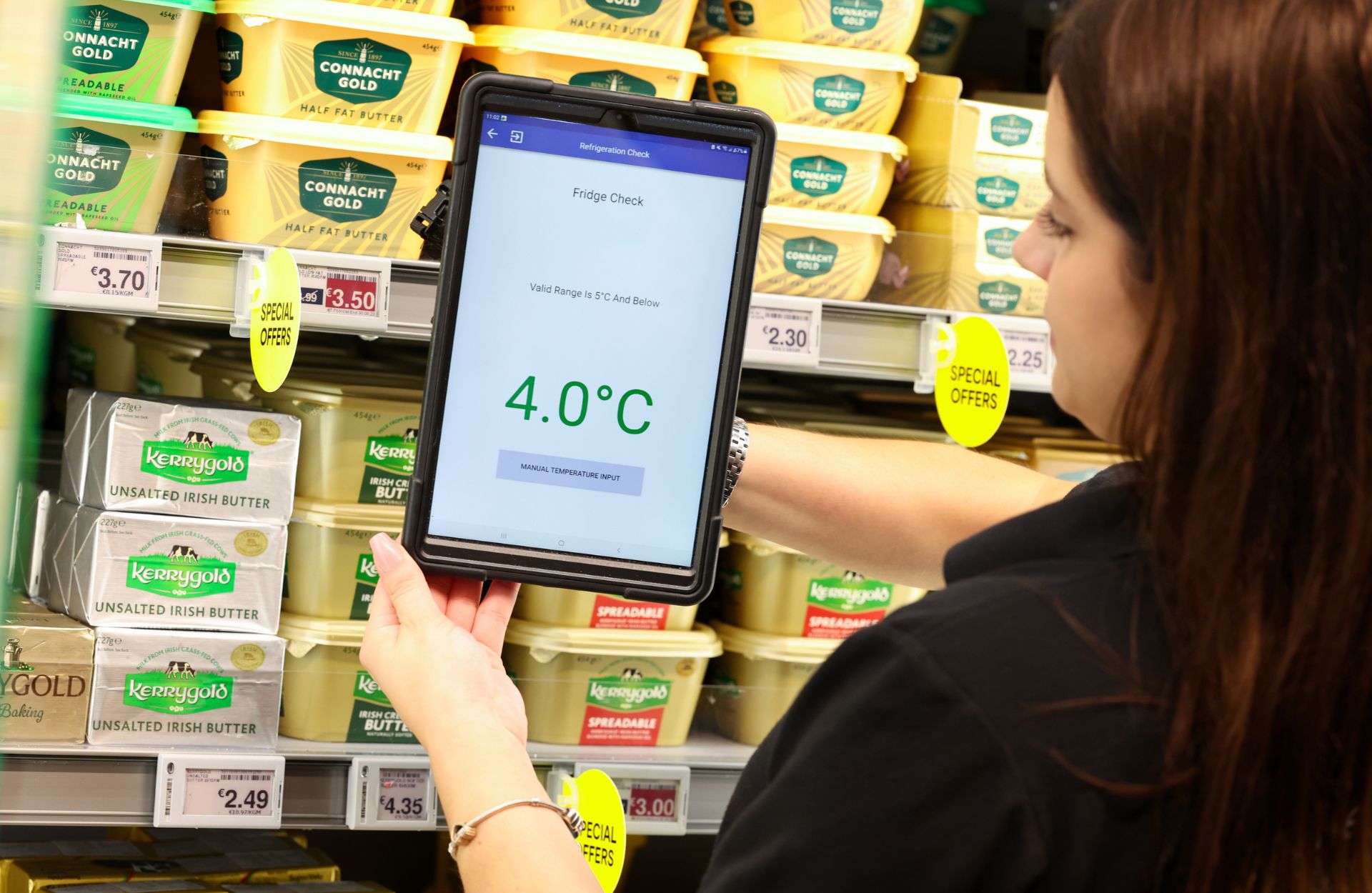
This is why many retailers are turning to automation to safeguard their operations. Automated wireless temperature monitoring and digital HACCP systems significantly reduce the strain on teams during the winter season. By replacing paper records and manual data collection, digital systems ensure that accurate information is always captured, always available, and always stored securely. Authorised staff can access data and reports from any web-enabled device, removing the need to depend on colleagues who may be off-site or unavailable, and eliminating unnecessary travel in dangerous weather conditions. Systems such as FoodCheck2.0 from Kelsius are designed to be intuitive and quick to learn, meaning permanent, part-time, and seasonal staff can all use them confidently with minimal training.

Winter weather can also cause sudden equipment failures with the onset of extreme cold and freezing temperatures. With FoodCheck2.0, automated alerts notify you immediately when readings fall outside safe limits, allowing fast intervention before stock is compromised.

As winter and the busy Christmas season approaches for food retailers, digital HACCP is essential to manage operations smoothly.

Contact Kelsius today to ensure your food safety processes are winter ready.