Lessons from France in Cybersecurity and Food Safety: Protecting the systems that protect your food

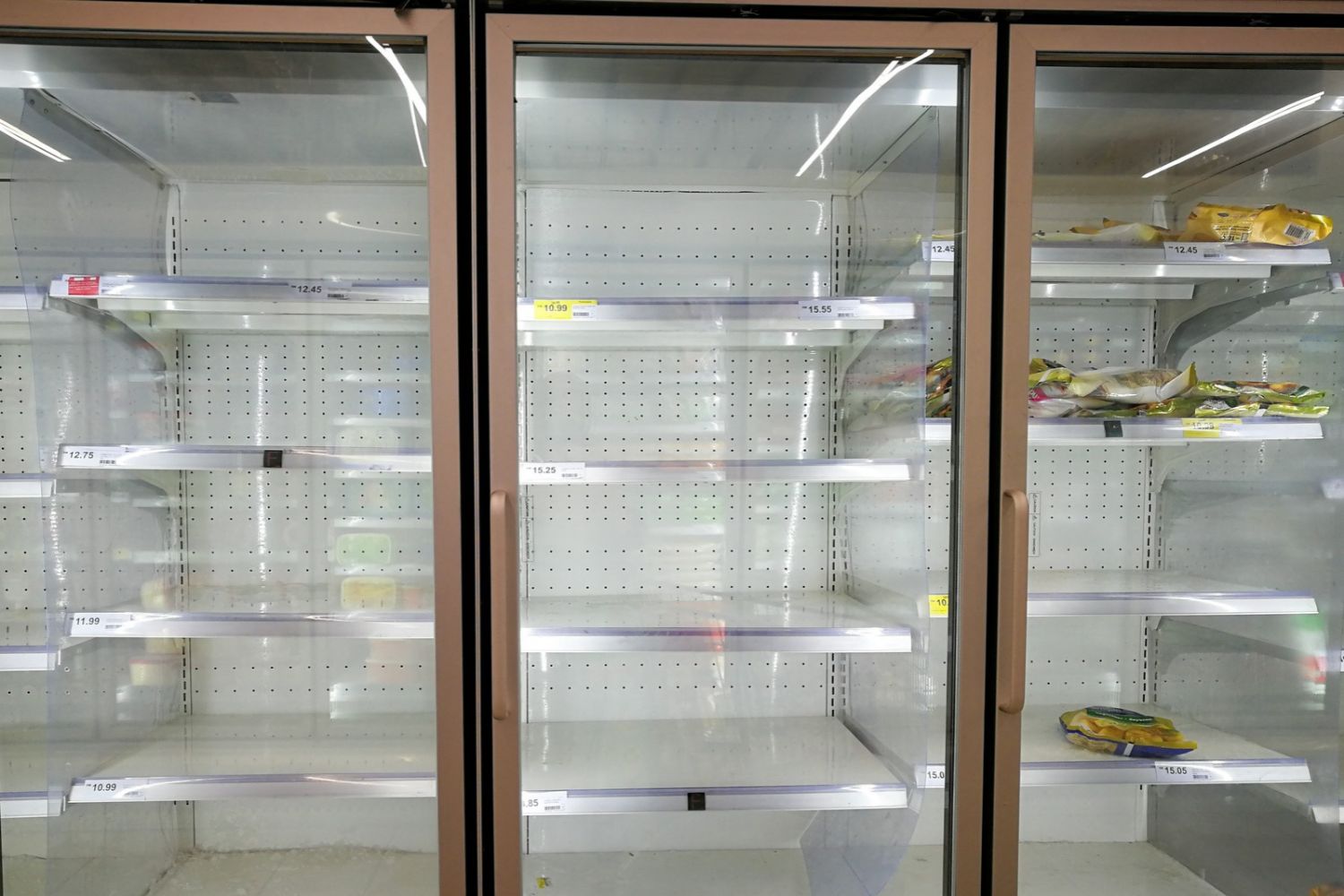
On the night of 11 to 12 October 2026, an overnight cyberattack affected refrigeration systems in hundreds of French supermarkets. Fresh and frozen products had to be discarded after temperatures rose. The incident has highlighted concerns about outdated firmware and equipment that no longer received security updates. As the incident continues to be investigated, the practical consequences included disrupted stores, significant amounts of food waste, and financial losses.

The incident raises questions for every food business using connected technology. How well are we protecting the systems we depend on to keep food safe?

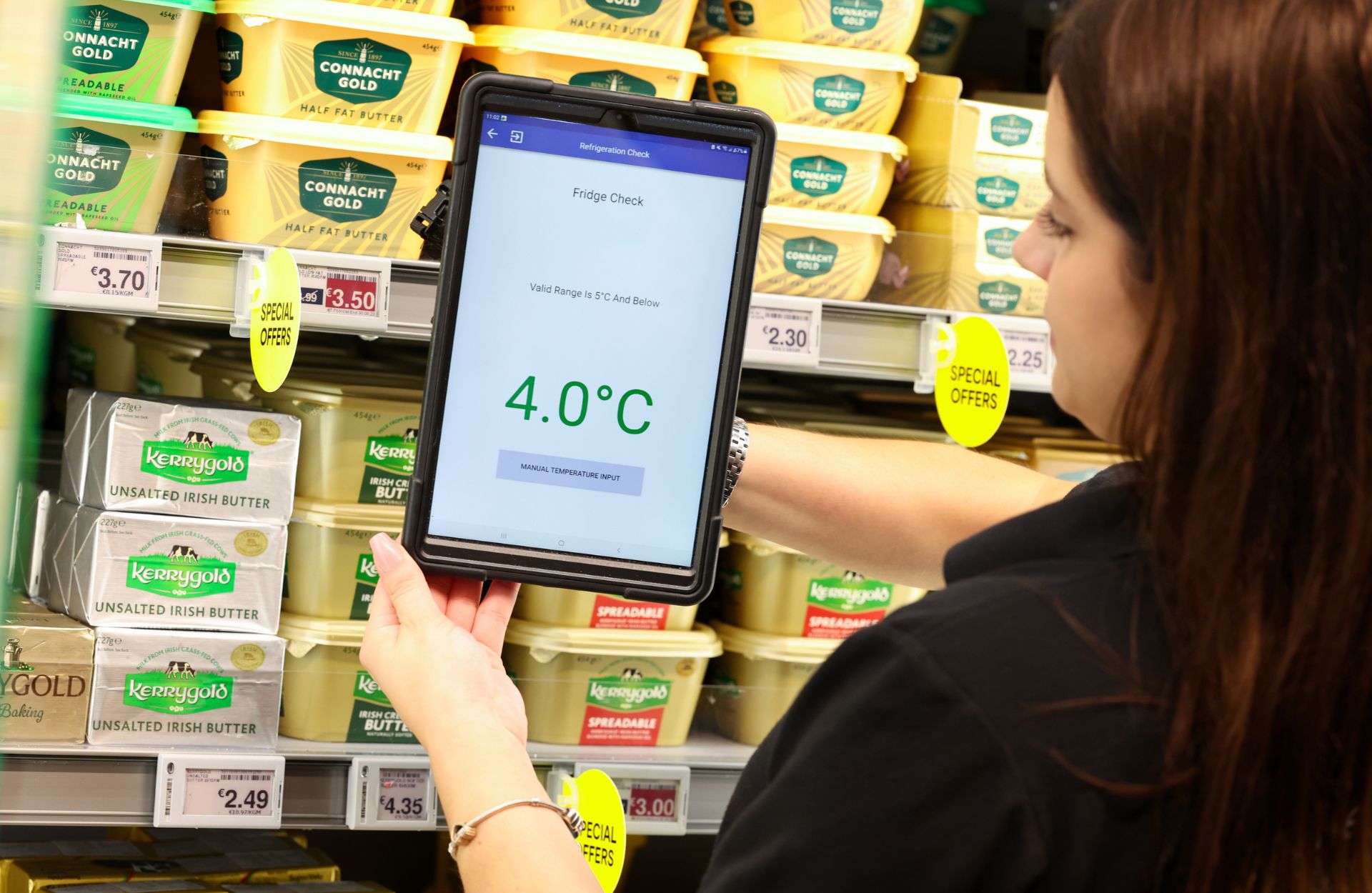
A fridge can look perfectly normal from the outside while the food inside is becoming unsafe. In a connected food business, the cause could be a mechanical fault, a power failure or something less visible like a cyberattack on the system controlling refrigeration.

The digitalisation of food safety management

Managers of food businesses are responsible for a mix of refrigeration units, storage areas, deliveries, hygiene checks, records and regulatory responsibilities (as well as delivering service to customers and managing teams). Much of this work continues around the clock, even when the premises are closed and staff have gone home.

Connected equipment, digital records and temperature monitoring can improve visibility and reduce reliance on someone being physically present to spot a problem. For businesses operating across several locations, these tools can make essential information easier to access and act on.

However, connectivity can also create extra work and responsibilities. The UK’s National Cyber Security Centre warns that increasingly connected operational technology brings security risks alongside benefits such as remote monitoring and maintenance. A cyber incident affecting physical equipment can have consequences beyond the loss of data.

For food business managers, cybersecurity adds a layer of responsibility about operational continuity and food safety, alongside equipment maintenance and staff training.

The role of technology

The French incident provides businesses with a timely reminder to check the technology behind their refrigeration. A unit may keep food cold today while outdated software leaves its controls vulnerable to interference tomorrow.

Start by identifying your connected equipment, its software or firmware version and its support status. Firmware is the software embedded in equipment such as refrigeration controllers. Ask your supplier which systems still receive security updates, and which need an upgrade or replacement.

Make updates part of planned maintenance. Agree who tracks security notices, who installs updates and who checks that the equipment operates correctly afterwards. Work with qualified technicians to schedule and test changes without compromising refrigeration.

If a supplier no longer supports a controller, establish a replacement plan and ask your technical team how to reduce its exposure in the meantime. Do not assume that a functioning fridge has a secure control system.

Control who can access connected equipment

Remote access helps suppliers diagnose faults and maintain equipment, but businesses need to retain control over who can access their equipment.

Change default passwords, give each authorised user an individual account where supported, and restrict permissions to the tasks they need to perform. Protect remote access with multi-factor authentication and remove access when a staff member or contractor no longer needs it.

Ask your IT provider to separate refrigeration controls from guest Wi-Fi and other networks appropriately. Suppliers should use a secure, controlled route for remote support.

These steps reflect National Cyber Security Centre guidance on protecting operational technology. They reduce opportunities for unauthorised access and help limit the consequences if another part of the business’s network suffers an attack.

Choose suppliers who take security seriously

Reliable technology needs reliable support throughout its working life. Ask suppliers to explain their security arrangements in clear terms before you purchase a system, and review those arrangements regularly.

How long will they provide security updates? How quickly will they notify you about a vulnerability or service disruption? Who handles urgent issues outside office hours? What happens when equipment reaches the end of its supported life?

Request clear responsibilities and contact details. Make sure you have a nominated person responsible for coordinating security updates.

Automated alerts allow for faster reactions

Prevention reduces risk. Automated monitoring helps businesses act when a problem still occurs, whether a cyberattack, equipment fault or power failure causes it.

Configure your monitoring system to send notifications as soon as it detects a condition that meets the agreed alert criteria. Those notifications need to reach the responsible people at any hour, including overnight, at weekends and during holidays.

Use suitable channels, such as push notifications, email or voice calls, according to the system’s capabilities and the urgency of the issue.

Set alert thresholds around your food safety procedures. Check how frequently the system measures temperatures and how quickly it delivers notifications. An immediate notification after detection still depends on those settings and a working communication route.

Where supported, enable alerts for missing readings, lost connections and device faults too. A monitoring system that stops reporting needs attention, even if it has not recorded a temperature breach.

Make sure alerts reach someone who can act

An alert at 2am only helps if someone receives it and takes responsibility.

Create an out-of-hours contact rota, assign a backup and set an escalation process for unacknowledged alerts. Keep phone numbers and app settings current. Test the notification route and response arrangements regularly, including outside normal working hours.

Give staff a clear action plan. Identify who can access the premises, contact an engineer and authorise stock movement. Arrange alternative refrigerated storage in advance and confirm that it offers suitable conditions and enough capacity.

Early notification may give a team time to move products before conditions deteriorate further. If stock has already become unsafe, it can still help managers restrict sales, arrange disposal and bring in cleaning teams before customers arrive.

Reducing the impact of fridge failures

Temperature monitoring detects changes in storage conditions; it does not necessarily identify their cause. Businesses still need cybersecurity controls to protect equipment and investigate suspicious activity.

For businesses holding substantial chilled or frozen stock, an incident could put tens of thousands of euro worth of food at risk. Disposal, repairs, cleaning and interrupted trading can add to the cost.

The lesson from France highlights the importance of maintaining supported technology, controlling access and establishing clear communications with suppliers. Make sure that your food safety plan continues after closing time, and not just during business hours.

For advice on automated temperature monitoring and 24-hour, real-time temperature alerts, contact Kelsius.


Sources

  • BBC News, 13 October: Fridges in French supermarkets hit by cyber attack https://www.bbc.com/news/articles/crq5nzxv9q4yo
  • National Cyber Security Centre: Secure connectivity principles for operational technology. https://www.ncsc.gov.uk/collection/operational-technology/secure-connectivity/introduction
  • NCSC: Principle 5, Harden your OT boundary. https://www.ncsc.gov.uk/collection/operational-technology/secure-connectivity/principle-5
  • NCSC: Principle 7, Ensure all connectivity is logged and monitored. https://www.ncsc.gov.uk/collection/operational-technology/secure-connectivity/principle-7
  • Food Safety Authority of Ireland: Principles of HACCP. https://www.fsai.ie/business-advice/running-a-food-business/food-safety-management-system-%28haccp%29/principles-of-haccp

Kelsius achieves INAB accreditation for laboratory calibration

ISO/IEC 17025 accreditation demonstrates Kelsius’ technical competence and commitment to accurate, reliable calibration services

Donegal, Ireland, 07 September 2026 – Kelsius is proud to announce that it has achieved accreditation for Temperature Calibration within the scope of -35°C to +50°C from the Irish National Accreditation Board (INAB) to ISO/IEC 17025, the internationally recognised standard for the competence of testing and calibration laboratories.

The accreditation follows an independent assessment of Kelsius’ calibration services in relation to technical competence, calibration procedures, quality management system, equipment, measurement traceability and ability to deliver reliable calibration results within its accredited scope.

This significant achievement provides Kelsius customers with additional confidence that applicable calibration work is carried out by technically competent personnel using controlled procedures and appropriately maintained equipment.

“Achieving INAB accreditation is an important milestone for Kelsius and reflects the expertise, commitment and attention to detail of our team,” said Sabrina Finnegan, Operations Manager at Kelsius.

ISO/IEC 17025 is the international standard used to assess the competence, impartiality and consistent operation of testing and calibration laboratories. INAB is Ireland’s national body responsible for accrediting laboratories and other conformity assessment bodies.

The accreditation further strengthens the quality and technical capabilities supporting Kelsius’ range of temperature monitoring and digital compliance solutions across the food, life sciences and healthcare sectors.

It forms part of the company’s continued investment in quality, technical expertise and reliable customer support.

To learn more about Kelsius products and calibration services, contact the Kelsius team.

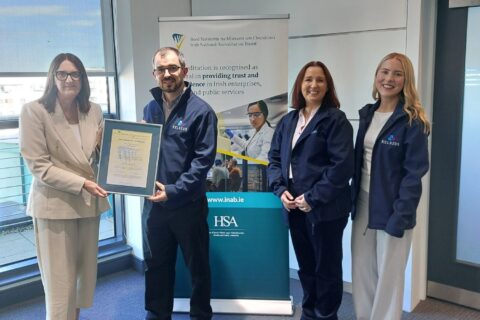
Pictured L-R: Rosemary Hayden (INAB) presenting to the Kelsius team Donal McGee, Sabrina Finnegan & Lorraine McClafferty.


Continue reading

Davy Byrnes simplifies food safety compliance, saves staff time and makes safety checks easier

Davy Byrnes is one of Dublin’s most recognised pubs, known for its literary heritage, distinctive character and reputation for quality food and hospitality. With a busy kitchen, multiple staff members and several cold-storage units, its food safety procedures must be efficient, reliable and easy to follow.


Before introducing Kelsius FoodCheck 2.0, the team relied on paper records to document food temperatures and daily HACCP checks. This required considerable staff time, created additional administration and made it more difficult for management to review completed checks.

With the implementation of FoodCheck 2.0, sensors now automatically monitor temperatures across multiple refrigeration and freezer units. Kitchen staff use connected digital probes to record cooked-food temperatures quickly during normal service.

The system has reduced paperwork and repetitive manual checks, while giving staff more time to focus on core kitchen duties. Straightforward digital processes are easy to learn and use across different shifts and experience levels.

Temperature records, completed checks and reports are stored digitally in one place. This gives Davy Byrnes management clearer oversight of food safety activity and allows reliable records to be accessed quickly for audits, internal reviews and Environmental Health Officer (EHO) inspections.

By improving consistency, accountability and access to information, FoodCheck 2.0 gives Davy Byrnes greater confidence that essential food safety checks are completed and that reliable evidence is available when required.


To start improving your compliance and efficiencies, contact Kelsius today.

Hours saved daily, instant traceability – just some of the benefits The Beaumont Mayfair enjoys using Kelsius

Operating at five-star standards leaves no room for compromise, especially when it comes to food safety. At The Beaumont Mayfair, a luxury London hotel with multiple kitchens, dining areas, and service environments, maintaining compliance across departments was becoming increasingly complex.

The Challenge

Before introducing Kelsius FoodCheck 2.0, the team relied heavily on paper-based processes. This created unnecessary administration, limited real-time visibility, and introduced risk around record accuracy, particularly during busy service periods. In an environment where rapid access to accurate data is critical, this approach left gaps in traceability and audit readiness.


Following implementation of the Kelsius system, the impact was immediate.

Digital workflows replaced manual checks, allowing kitchen teams to complete tasks quickly and consistently using probes and tablets. Management gained instant oversight across more than 20 refrigeration units, with automated monitoring and alerts helping prevent stock loss and reduce risk. Reporting, once time-consuming, is now accessible in seconds, supporting daily operations and audit preparation.

Hours saved daily, instant traceability

The hotel estimates a time saving of two to three hours per day, driven by faster checks, automated monitoring, and streamlined reporting. Beyond efficiency, the shift to tamper-proof digital records has strengthened due diligence and eliminated the risk of falsified entries.

Crucially, the system provides instant traceability across all operations, from goods-in to cooking compliance, while remaining flexible enough to match the hotel’s HACCP requirements.

Today, Kelsius is embedded across the Beaumont’s kitchens, pastry, private dining, and bar operations. The result is a more controlled, consistent, and confident approach to food safety, one that meets the expectations of a five-star environment while freeing up valuable time for staff to focus on service.


To book your free Kelsius demo, contact the Kelsius sales team.


Ardingly College uses FoodCheck 2.0 from Kelsius: “…alerts help protect us from costly stock losses…it gives us real peace of mind…”

Ardingly College is a leading independent school in West Sussex, providing education and pastoral care for a large pupil community. The College operates a high-volume catering operation delivering daily meals for pupils alongside front-of-house hospitality for events, summer programmes, and visitors. Food safety, due diligence, and consistency are central to the catering team’s responsibilities.

The Challenge

Food safety management at Ardingly College previously relied on paper-based HACCP systems. This created a significant administrative burden, with multiple folders and binders requiring constant updating.

Paperwork frequently became damaged or incomplete in kitchen environments, and missing sheets caused frustration during inspections. Paper processes also created risk around record integrity during busy service periods, with limited assurance that checks were completed correctly and at the right time.

In addition, refrigeration failures during weekends or holiday closures had previously resulted in significant stock losses before issues were identified. The College required a more reliable, audit-ready system that reduced risk, saved time, and strengthened due diligence.

The Solution

Ardingly College looked to Kelsius’ FoodCheck 2.0 solution to reduce the administrative workload and paperwork, improve compliance and inspective preparation, and reduce time spent on food safety procedures and manual checks.

Results

Results achieved using FoodCheck 2.0 included:

  • Around two hours saved per day.
  • Paper records eliminated.
  • Reduced reliance on manual checks with 24/7 automated fridge and freezer monitoring.
  • Stock loss prevented thanks to early alerts.
  • Weekly compliance reporting consolidated into a single digital summary.
  • Improved EHO confidence.

Kelsius has become a core part of daily operations at Ardingly College, delivering stronger audit readiness, improved accountability, reduced waste risk, and greater confidence that food safety standards are being upheld consistently across the catering operation.


Kelsius Shortlisted in Technology Category at the Guaranteed Irish Business Awards

Kelsius is delighted to have been shortlisted as a finalist in the upcoming Guaranteed Irish Business Awards. 

Kelsius has been named as a finalist in the Technology category. The recognition is timely as Kelsius has just announced its new innovations in technology, with the launch of FoodTrak365 and CoolTrak365 for temperature monitoring for goods in transit.  The new products add to Kelsius’ suite of monitoring systems for the food and healthcare industries which allow businesses to reduce costs, improve compliance, protect stock, and save staff time by introducing automation and removing manual processes.

The Guaranteed Irish Business Awards recognise Irish businesses and organisations that invest in long-term employment, strengthen local communities, and deliver trusted, high-quality products and solutions. At Kelsius, these principles are part of how the company operates, from designing and manufacturing products in Donegal to partnering with Irish suppliers, helping drive economic growth at both a local and national level.

Commenting on the announcement of finalists, Guaranteed Irish CEO Bríd O’ Connell said, “It is more important than ever to recognise and support the companies driving progress here in Ireland, businesses whose ambition, creativity, and commitment benefit not just their industries, but the wider Irish economy and communities they serve.” 

The awards are judged by an independent panel of industry leaders, including representatives from Matheson, An Post, Musgrave, PTSB, Viatel Technology Group and FBD Insurance.

Winners will be announced at the Guaranteed Irish Business Awards ceremony which will take place in a new venue, the Dublin Royal Convention Centre on 5 March.

For more, visit https://www.guaranteedirish.ie/giba-shortlist/

Winter Food Safety Challenges for Food Retail – A Perfect Storm of Risks for Food & Food Safety in Store

Winter is one of the most important and most demanding periods of the year for food retailers. The busy run-up to Christmas brings increased footfall, higher stock turnover, and pressure on teams to deliver consistently high standards. Yet as soon as the festive rush ends, many retailers face a sharp slowdown as customers return to work and take stock of their holiday spending. This seasonal fluctuation alone can place strain on operations, but the real challenge lies in protecting food safety throughout this exceptionally busy and unpredictable period.

Winter often brings a unique combination of complications. A perfect storm of actual storms, freezing temperatures, staff taking extended leave, and the need to hire and train seasonal workers all contribute to a higher likelihood of disruption. Normal routines can be interrupted, roles may need to be covered at short notice, and managers often find themselves stretched thin across multiple tasks and sometimes multiple sites. These pressures create an environment where manual food safety processes quickly become vulnerable.

Manual HACCP systems depend heavily on the availability and consistency of trained staff. When team members cannot reach the store due to extreme weather, when experienced staff take extended holidays, or when seasonal workers are still learning the ropes, essential checks may be delayed or missed altogether. At the busiest time of year, this leaves food at risk and increases the burden on management to maintain oversight.

This is why many retailers are turning to automation to safeguard their operations. Automated wireless temperature monitoring and digital HACCP systems significantly reduce the strain on teams during the winter season. By replacing paper records and manual data collection, digital systems ensure that accurate information is always captured, always available, and always stored securely. Authorised staff can access data and reports from any web-enabled device, removing the need to depend on colleagues who may be off-site or unavailable, and eliminating unnecessary travel in dangerous weather conditions. Systems such as FoodCheck2.0 from Kelsius are designed to be intuitive and quick to learn, meaning permanent, part-time, and seasonal staff can all use them confidently with minimal training.

Winter weather can also cause sudden equipment failures with the onset of extreme cold and freezing temperatures. With FoodCheck2.0, automated alerts notify you immediately when readings fall outside safe limits, allowing fast intervention before stock is compromised.

As winter and the busy Christmas season approaches for food retailers, digital HACCP is essential to manage operations smoothly.

Contact Kelsius today to ensure your food safety processes are winter ready.

Navigating Food Safety Compliance in UK Retail: Challenges and Solutions

Ensuring food safety is a paramount concern for UK food retailers, as it directly impacts consumer health, brand reputation, and regulatory compliance. Navigating the complexities of food safety regulations can be challenging, but with the right tools and systems, retailers can maintain high standards and streamline their operations.


Understanding UK Food Safety Regulations 

The UK enforces stringent food safety laws to protect consumers and uphold food quality. Key legislation includes the Food Safety Act 1990 and the Food Safety and Hygiene (England) Regulations 2013, which mandate that businesses ensure food is safe for consumption and meet hygiene standards.  

Retailers are required to implement effective food safety management systems, conduct regular hazard analyses, and maintain detailed records of their processes. Non-compliance can result in severe penalties, including fines, legal action, and damage to brand reputation. 


Common Challenges Faced by UK Retailers 
  1. Regulatory Compliance: Keeping abreast of evolving food safety regulations demands continuous monitoring and adaptation. 
  2. Record Keeping: Maintaining accurate and accessible records is essential but can be labour-intensive and prone to human error. 
  3. Supply Chain Management: Ensuring that all suppliers adhere to food safety standards requires diligent oversight and coordination. 
  4. Staff Training: Regular training is necessary to keep staff informed about best practices and regulatory changes, which can be resource intensive. 
  5. Labour Shortages: Retail particularly continues to face the challenge of labour shortages caused in varying degrees by the effects of the pandemic, Brexit and the availability of a flow of a suitable workforce.  
  6. Rising costs: The cost of doing business is significant for UK food retailers who need to consider the price of stock, energy, labour, regulatory compliance, local services and business rates. All while at the same time consumer behaviour continues to shift towards price-driven purchase decisions.  


How a Digital HACCP System can Help 

Kelsius offers innovative digital solutions designed to assist UK retailers in overcoming these challenges: 

  • FoodCheck 2.0: This system automates temperature monitoring and HACCP (Hazard Analysis and Critical Control Points) management, reducing reliance on manual checks and paperwork. It provides real-time data and alerts, ensuring swift responses to potential issues. 
  • CoolCheck: Specialising in wireless temperature monitoring, CoolCheck ensures that all refrigeration units operate within safe parameters, preventing spoilage and ensuring compliance with food safety standards.

Benefits of Implementing Kelsius Systems 

  • Enhanced Compliance: Automated monitoring and record-keeping simplify adherence to regulations and facilitate smoother audits. 
  • Operational Efficiency: Reducing manual tasks allows staff to focus on core business activities, improving overall productivity. 
  • Data-Driven Insights: Access to comprehensive data enables informed decision-making and proactive management of food safety risks. 


Conclusion
 

In the dynamic landscape of UK retail, maintaining rigorous food safety standards is both a regulatory requirement and a competitive advantage. Kelsius provides the tools necessary to streamline compliance, enhance operational efficiency, and ensure the highest levels of food safety. 

For more information on how Kelsius can support your business, visit www.kelsius.com. 


Kelsius Celebrates Winning the Technology Award at the Guaranteed Irish Business Awards 2025

Kelsius is proud to announce that they have been named the winner of the Technology Award at the Guaranteed Irish Business Awards 2025. This prestigious recognition highlights Kelsius’ commitment to innovation, excellence, and sustainability in the field of temperature monitoring and HACCP compliance.

The Guaranteed Irish Business Awards celebrate the best of Irish business and recognise companies that demonstrate a commitment to supporting local communities, creating jobs, and driving innovation across various industries.

Cutting-Edge Technology

The Technology Award was presented to Kelsius for its cutting-edge solutions in digital HACCP and wireless temperature monitoring. These solutions are designed to help businesses across the foodservice, retail, and pharmaceutical industries maintain the highest standards of food safety and storage integrity. Kelsius’ IoT-driven solutions offer real-time monitoring, regulatory compliance, and enhanced efficiency, ultimately reducing the risk of foodborne illnesses and ensuring that critical medicines and vaccines are stored correctly.

As a Guaranteed Irish company, Kelsius adheres to the principles of quality, local job creation, and sustainability. The Kelsius manufacturing facility is based in Donegal, where they are committed to supporting Irish suppliers and the local economy. By championing local talent and resources, Kelsius contributes to the growth and prosperity of communities across Ireland.

Celebrating Innovation and Sustainability

At Kelsius, sustainability is at the core of everything they do. Kelsius has earned a Silver Medal from EcoVadis for its ongoing commitment to corporate social responsibility (CSR) and sustainability. Kelsius solutions help businesses reduce waste, energy consumption, and operational costs, while promoting a greener future. From eliminating paper records to ensuring energy-efficient operations, the company works hard to ensure that its temperature monitoring systems are as environmentally friendly as they are effective.

Kelsius’ commitment to corporate responsibility goes beyond its products. Through initiatives like the EasyTressie programme, Kelsius is actively involved in projects that support environmental and social causes, making a tangible impact on communities and the environment. Kelsius partners with local organisations and its dedication to sustainable practices underscore the company’s mission to create value for both businesses and society.

Kelsius: A Proud Member of Guaranteed Irish

The Guaranteed Irish mark represents businesses that are committed to creating sustainable jobs, supporting local communities, and providing high-quality products and services. Kelsius embodies these values every day by developing and manufacturing products locally in Donegal and working closely with Irish suppliers to ensure that they contribute positively to the economy.

Gala Award Ceremony at the Mansion House, Dublin

The award was presented to Kelsius at the 2025 Guaranteed Irish Business Awards gala, held in the iconic Round Room at The Mansion House in Dublin.


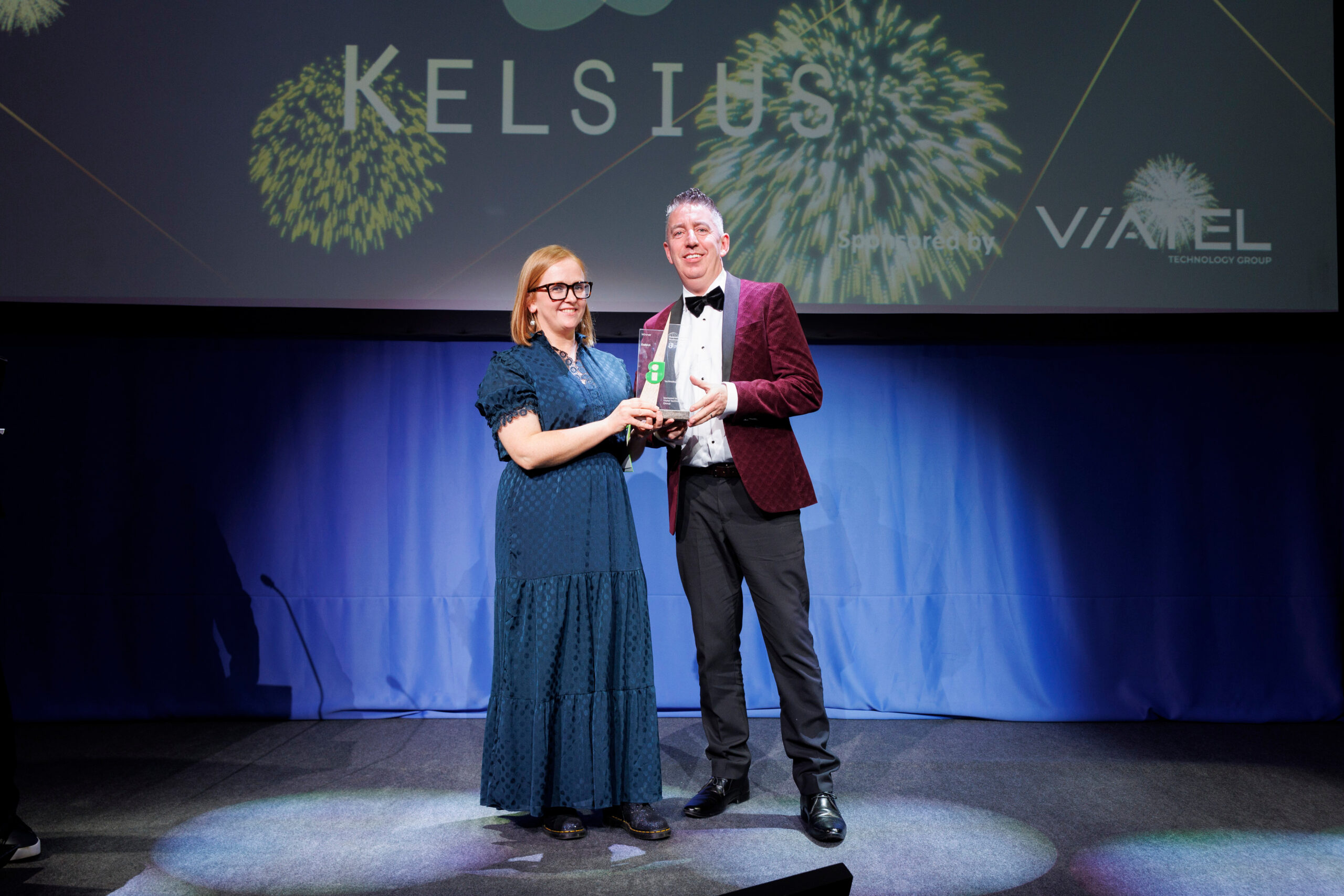
Pictured Arlene Kenny, Viatel Technology Group with Keith Hicks, Kelsius, winner of Technology, sponsored by Viatel Technology Group at the 2025 Guaranteed Irish Business Awards, proudly supported by PTSB.

Accepting the award, Kelsius Corporate Account Director Keith Hicks said, “I am thrilled to accept the Technology Award on behalf of Kelsius. On behalf of the entire team, I’d like to thank Guaranteed Irish for this accolade. We are a very proud Guaranteed Irish member company and we’re extremely grateful for this recognition, especially in the company of so many other leading and innovative Irish businesses.

“This award is all the more important to us as our technology supports a range of indigenous Irish companies who we help to protect the safety and security of their food, medicines and other products every day. We’re delighted to play our part in helping other Irish companies to grow and compete.”


Kelsius Digital HACCP and wireless temperature monitoring exceeds expectations for Hastings Hotels

The Culloden Estate And Spa Exterior

On average, each property saves three hours per day for all food staff


Hastings Hotels is a luxury hotel group operating six hotels and a stand-alone Gastro Pub, Cultra Inn, situated on the Culloden Estate in Northern Ireland, serving a wide range of prepared and fresh food to its customers. These seven properties offer guests an impressive choice of venues, catering across leisure, events, sporting pursuits and gourmet dining.


Challenges Faced by Management and Chefs

Hastings Hotels faced the challenge of managing food safety and HACCP records across multiple locations. Larger properties like the Grand Central and Europa Hotels have different areas for multiple kitchens, bars, delis and large catering spaces, all requiring up to date records to be kept.

Management had little oversight of all food safety records, with a paper process that was prone to errors, and too much time was spent on recording data rather than providing the best guest experience.

Chefs spent too much time reviewing paper records and manually recoding temperatures across different kitchens and floors. Stock was being lost due to no notifications of faulty appliances, and there was little traceability for food.


Introducing the Kelsius System

The Kelsius FoodCheck 2.0 system was introduced into operations at Hastings Hotels. With the system now in use in their properties, management has more confidence and peace of mind as audits and inspections are easier. Reporting is streamlined and it’s much easier to train any agency staff who are required ad hoc.

Digital traceability means better transparency and accountability, with no risk of falsification or mistakes due to human error. Automated alerts have hugely reduced the risk of food waste due to temperature excursions, improving the shelf life of products.


Benefits

  • Three hours saved per day on average per property by all food staff
  • Estimated £2000 per year per property saved on wasted food
  • Four hours per week saved by management using automated report
  • Paper, ink and folders used reduce to zero
  • Food safety training time reduced by half
  • 90% estimated reduction in mistakes caused by human error


Raymond Duncan Compliance, Operations & Procurement Manager, Hastings Group:

“Using the Kelsius system, I have peace of mind knowing all food safety processes are being adhered to. The automated system minimises human error and it’s so much easier for management to remotely identify trends or gaps in any hotel and act in real time. Our EHO loves the system as it gives them full visibility of our processes, in turn they are more confident in us to maintain outstanding food safety for our guests. We’re delighted with the system.”